How to Choose the Right Custom Fasteners for Your Project?
Choosing the right Custom Fasteners for your project is crucial for its success. According to John Smith, a leading expert in fastener design, "The right fastener can enhance product durability and performance." This underscores the importance of selecting high-quality Custom Fasteners tailored to your specific needs.
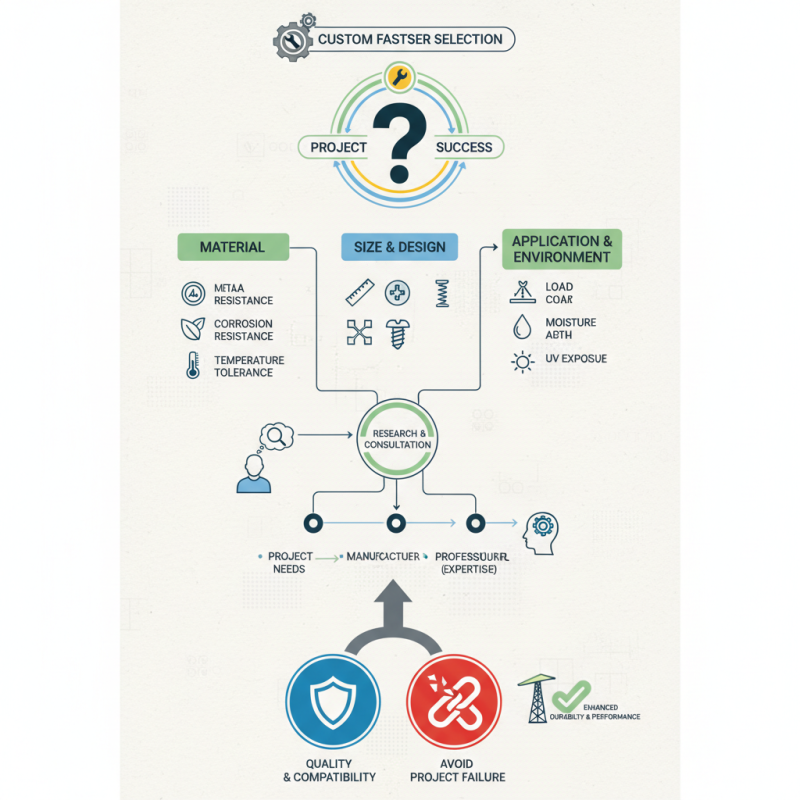
Custom Fasteners come in various materials, sizes, and designs. It's essential to consider the application's demands. For example, factors like load-bearing capacity and environmental conditions can influence your choice. Many overlook these details, leading to potential project failures. Quality and compatibility should never be compromised, yet many projects suffer due to rushed selections.
Understanding the nuances of Custom Fasteners can seem daunting. Detailed specifications, intended use, and project timelines all play a role. Manufacturers often provide consultation, yet their expertise may not always align with your project’s unique requirements. Taking the time to research and consult with professionals like Smith can prevent costly mistakes and ensure your project achieves its intended purpose.
Understanding the Importance of Custom Fasteners in Engineering Projects
Custom fasteners play a vital role in engineering projects, providing essential connections that enhance the structural integrity of various assemblies. Selecting the right fasteners ensures durability and reliability, especially in critical applications. Manufacturers must consider factors like material, size, and load requirements. The environment can also influence performance, so choosing fasteners suited for specific conditions is crucial.
When choosing custom fasteners, keep these tips in mind: Understand the material properties, such as corrosion resistance or tensile strength. This knowledge helps to prevent failures in adverse conditions. Pay attention to the dimensions of both the fasteners and the assemblies they will be a part of. Miscalculations can lead to complications down the line.
It’s essential to evaluate the manufacturing processes that produce custom fasteners. Understanding the techniques used helps in selecting reliable suppliers. Remember, not all fasteners will meet the requirements of your project. This may require revisions, testing, and sometimes even overhauling initial plans. Embracing flexibility in your choices can lead to refined outcomes and improved project efficiency.
Identifying Material Types for Custom Fasteners: Types and Applications
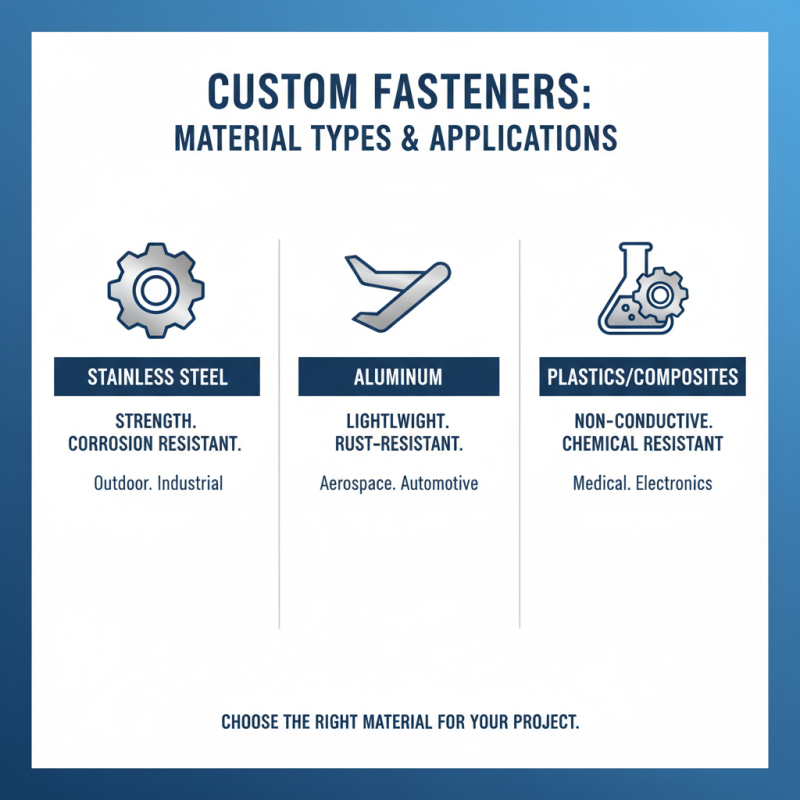
Choosing the right material for custom fasteners is crucial for any project. Various materials provide different benefits and applications. Metals like stainless steel are known for their strength and resistance to corrosion. They are ideal for outdoor or industrial environments. Aluminum is lightweight and resistant to rust, making it suitable for aerospace applications.
Plastics like nylon are versatile and lightweight. They are often used in electronics or delicate machinery. However, they may not bear heavy loads as metals do. Understanding the specific requirements of your project can help guide your material choice. Evaluate factors like weight, strength, and environmental conditions.
Material choices can sometimes be overwhelming. Not every option fits every situation. Mistakes occur when overlooking these details. As projects evolve, demands may shift. Regularly reassessing material types can lead to better outcomes. It’s a learning process that requires careful consideration. Exploring various options ensures the best fit for individual needs.
Evaluating Load Requirements for Optimal Fastener Selection
When selecting custom fasteners, evaluating load requirements is crucial. Understanding the specific loads that fasteners must bear prevents failures. According to a report by the Industrial Fasteners Institute, approximately 30% of fastener failures occur due to inadequate load assessment. Accurate calculations ensure that the chosen fasteners withstand applied forces without risking safety.
Load requirements vary greatly depending on the application. Engineers often underestimate dynamic loads, leading to premature fatigue. For instance, in structural applications, static loads may seem sufficient initially. However, when subjected to cyclic stresses, failure rates can rise significantly. A study indicated that dynamic loads can exceed static loads by up to 200%. This makes it essential to consider not just the magnitude of loads, but also their nature.
Choosing the right fasteners involves understanding the environment in which they operate. Chemical exposure, temperature fluctuations, and moisture can affect performance. Fastener materials must align with expected conditions. Remember that even slight miscalculations can result in severe consequences. Engaging with specialists in fastener selection can mitigate risks associated with these challenges, reinforcing the importance of expertise in this field.
How to Choose the Right Custom Fasteners for Your Project? - Evaluating Load Requirements for Optimal Fastener Selection
| Fastener Type |
Load Capacity (lbs) |
Material |
Corrosion Resistance |
Ideal Applications |
| Bolts |
10,000 |
Steel |
Low |
Structural Applications |
| Nuts |
5,000 |
Stainless Steel |
High |
Marine and Outdoor |
| Washers |
2,000 |
Aluminum |
Medium |
Heavy Machinery |
| Screws |
3,500 |
Titanium |
Very High |
Aerospace Applications |
| Rivets |
4,000 |
Copper |
Medium |
Automotive Industry |
Assessing Environmental Conditions Impacting Fastener Performance
Choosing the right custom fasteners is crucial, especially when considering environmental conditions. Fasteners must endure specific challenges based on their surroundings. Factors such as temperature, humidity, and exposure to chemicals can greatly affect their performance. It’s vital to assess these conditions before making any selection.
**Tips:** Always check the local climate. High humidity can lead to corrosion, making stainless steel a more suitable choice. Temperature extremes can alter material properties, so choose fasteners designed for thermal stability.
Knowing how environmental conditions impact fasteners can save time and costs. For instance, a fastener used in a coastal area may require special coatings to resist saltwater. Understanding wear factors is essential. Reflect on your project needs and the potential for environmental degradation.
**Tips:** Don’t underestimate the impact of UV light on materials. Some plastics can degrade quickly under sunlight. Testing materials in real conditions before finalizing choices can also prevent future issues.
Impact of Environmental Conditions on Fastener Performance
Cost-Benefit Analysis: Investing in Quality Custom Fasteners for Longevity
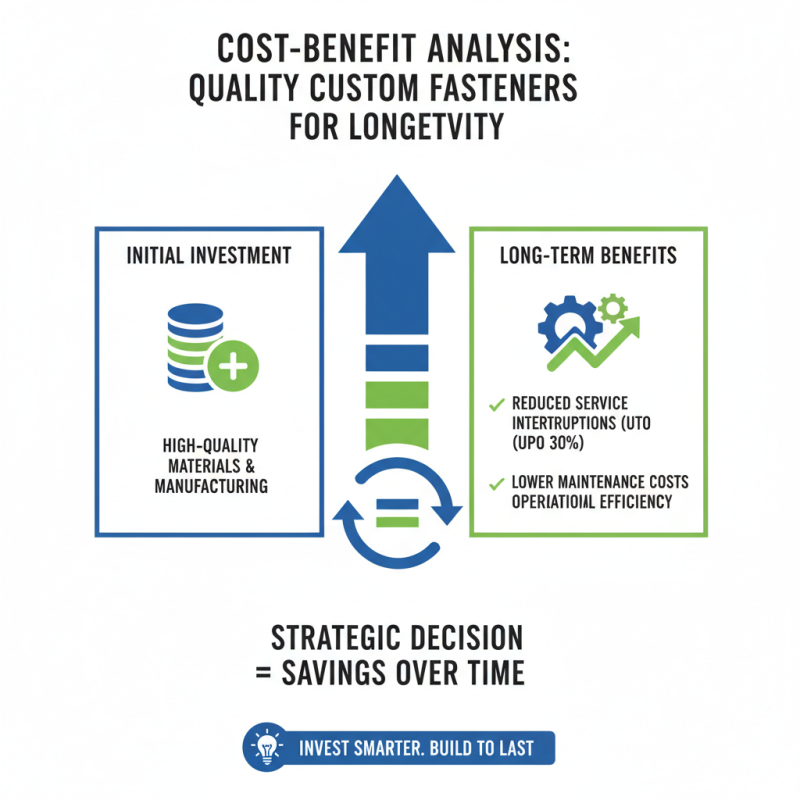
When embarking on a project, choosing the right custom fasteners can significantly impact functionality and longevity. Investing in high-quality fasteners is not merely an up-front cost but a strategic decision that pays off over time. A recent industry report indicated that quality fasteners can reduce service interruptions by up to 30%. This translates to lower maintenance costs and increased operational efficiency, justifying the initial investment.
In lightweight applications, using cheap fasteners may seem like a solution to save money. However, they can lead to failures, which might incur higher costs in repairs or replacements. A well-known study highlighted that nearly 20% of structural failures were linked to poor fastener quality. The potential risks make it essential to reflect on the balance between price and longevity. Custom fasteners made from durable materials like stainless steel can last significantly longer and perform better, saving you from future headaches.
Moreover, not all custom fasteners are created equal. Consider the specific requirements of your project. The specifications must align with the intended application to ensure reliability. Inadequate choices could lead to complications that negatively affect overall performance. Ultimately, investing wisely in quality fasteners enhances durability and fosters smoother project execution, contributing to the desired success.



 Phone
Phone Send Email
 whatsapp
 Facebook
 Youtube