How to Choose the Right Screws for Your Project?
When embarking on a construction or DIY project, knowing how to choose the right screws is essential. Expert in fastening technology, Dr. Sarah Thompson, once stated, "The right screws can make or break a project." This highlights the significance of selecting the appropriate screws tailored to your specific needs.
Understanding various screw types, materials, and sizes is crucial. Screws come in different designs, each suited for unique applications. For instance, wood screws differ from metal screws in their threading and point type. Selecting the wrong type may lead to structural failures or damages.
Additionally, factors like the environment and load-bearing requirements can affect the choice of screws. Don't overlook these elements. It's easy to assume any screw will suffice, but reality begs for careful consideration. In the world of screws, failing to meet project needs can result in costly rework. Take your time and reflect on what’s truly suitable for your work.
Types of Screws and Their Uses in Different Projects
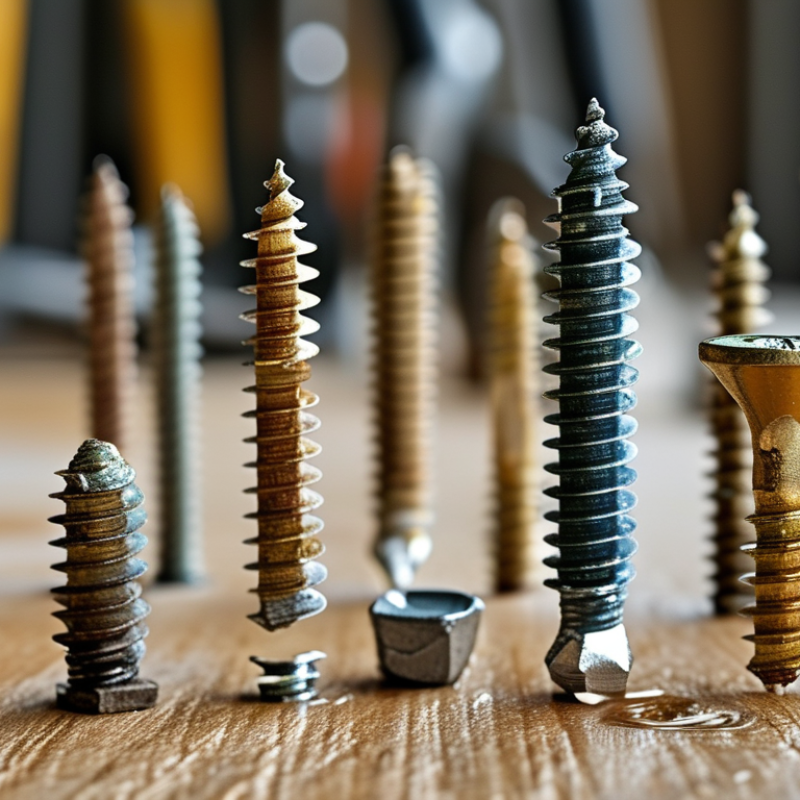
When undertaking various projects, choosing the right screws is crucial. Different types of screws serve specific functions, and understanding their uses can greatly enhance your outcomes. Wood screws, for instance, feature sharp threads that grip wood firmly. They are perfect for furniture assembly and cabinetry. Their tapered design allows for a seamless finish, minimizing the need for filler.
Metal screws differ significantly. They have finer threads, which provide a secure hold in metal or plastic materials. Using them in electrical projects ensures strong connections. Sheet metal screws, with their hex heads, easily penetrate thin metal sheets. This type of screw simplifies tasks like ductwork installation or metal repairs. It's important to select a screw matching the material's thickness and density to avoid striping or breakage.
Also, consider using self-tapping screws when working with harder materials. These screws create their own thread as they are driven in, saving time in preparation. However, their use requires caution. Over-tightening can lead to material damage. It's a fine line between secure and destructive. Engaging in some trial and error with different types may lead to better project outcomes and deeper understanding.
How to Choose the Right Screws for Your Project? - Types of Screws and Their Uses in Different Projects
| Type of Screw |
Material |
Common Uses |
Length Range |
Head Types |
| Wood Screws |
Steel or Brass |
Joining wooden pieces |
1" - 6" |
Flat, Round |
| Sheet Metal Screws |
Steel or Stainless Steel |
Fastening metal sheets |
1/4" - 4" |
Pan, Hex |
| Deck Screws |
Corrosion-resistant Steel |
Building decks and outdoor projects |
1.5" - 6" |
Flat, Bugle |
| Concrete Screws |
Carbon Steel |
Attaching fixtures to concrete |
1" - 5" |
Hex, Flat |
| Self-tapping Screws |
Steel |
Various materials, works without pre-drilling |
1/2" - 3" |
Pan, Flat |
Understanding Screw Material and Corrosion Resistance
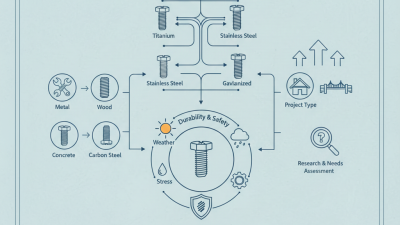
Choosing the right screw goes beyond just size and type. Understanding the screw material and its corrosion resistance is key. Different environments can significantly impact screw performance. For outdoor projects, consider stainless steel or coated screws. These options resist rust and corrosion better than standard steel.
However, not all stainless steel is equal. Grades vary, and some may corrode faster in saltwater or humid conditions. Regular maintenance can be overlooked. Inspect screws regularly for signs of wear or rust. In some cases, galvanized screws can be a cheaper alternative for temporary projects. Yet, their resistance may not match that of stainless steel in harsh settings.
When selecting screws, think about the materials involved in your project. Wood, metal, or plastic can all interact differently with various screw types. Lower quality screws can snap or strip easily, leading to frustration. A thoughtful choice ensures durability and longevity in your work. Remember to weigh options carefully; the right screw can make a significant difference.
Selecting the Right Screw Length and Diameter for Your Needs
Choosing the right screw length and diameter is crucial for any project. The screw must fit securely without causing damage. According to industry data, using the correct length helps ensure a strong hold. A screw that is too long can split the material, while one that is too short may not provide enough support.
When determining screw diameter, consider the material and application. Thicker screws offer better stability. For softwoods, a smaller diameter can be sufficient. However, harder materials often require larger screws. Research indicates that a proper fit can increase load-bearing capacity by up to 25%.
Tips: Measure twice before selecting screws. Visualize how the screws will fit in your project. Sometimes, the best choice is not the most obvious one. Test a screw in a scrap piece first. This can save time and materials. Understanding these details is essential for a successful outcome. Remember, it's always better to err on the side of caution.
Choosing the Head Style and Drive Type for Optimal Performance
Choosing the right screws can significantly impact the success of your project. A crucial aspect is picking the head style. Common options include flat, round, and pan heads. Each style serves different purposes. Flat heads sit flush with surfaces, while round heads provide more grip. Consider your project's needs carefully when selecting.
The drive type is equally essential. Phillips, Torx, and slotted drives each have their advantages. Phillips screws are widely used, but they can slip easily. Torx screws offer a better grip and reduce stripping. Slotted drives are simple but less efficient. Reflecting on which style you need will enhance performance.
It's easy to overlook the finer details, leading to inefficient results. Not every project requires a complex screw. Sometimes, a simple choice works best. However, be aware that the wrong screw can lead to structural issues. Choose with care to ensure reliability.
How to Choose the Right Screws for Your Project
Factors to Consider for Specific Applications and Environments
Choosing the right screws involves careful consideration of specific applications and environments. For instance, stainless steel screws are ideal for marine applications due to their corrosion resistance. A study by the Fastener Industry Association shows that corrosion can reduce a screw's lifespan by 50% in harsh environments. Understanding the environment is key.
Consider the load-bearing capacity required for your project. Wood screws typically have deeper threads, providing better grip in wood. For masonry, use screws designed specifically for concrete or bricks. The Building Fastener Report indicates that improper screw selection can lead to structural failures, resulting in costly repairs.
Temperature changes also impact screw performance. In extreme weather, plastic screws may become brittle. Metal screws might expand or contract, which could affect tightness over time. Evaluating environmental factors is critical. Ignoring these aspects could lead to project delays or safety hazards. Every project requires careful material choice to ensure durability and safety.




 Phone
Phone Send Email
 whatsapp
 Facebook
 Youtube