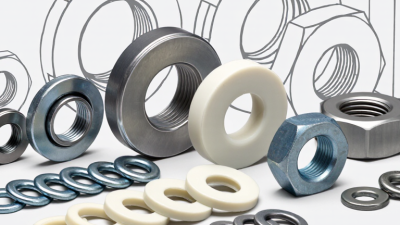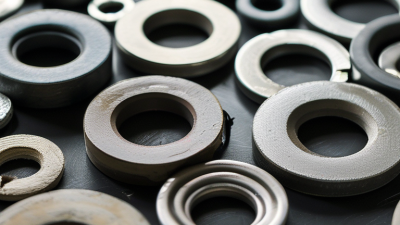
Choosing the right Washers for global sourcing is more complex than comparing unit prices. A washer may look insignificant, yet it controls load distribution, surface protection, and joint stability. In a steel assembly, a poorly matched washer can leave a visible indentation around the bolt hole. Small detail. Expensive consequence.
Grand View Research reported that the global fasteners market was valued at approximately USD 80 billion in 2023, with industrial, automotive, and construction demand supporting continued growth. UN Comtrade data also shows substantial cross-border trade in iron, steel, and fastening components. These figures reveal the opportunity, but they do not guarantee a reliable purchase. Material grade, hardness, outer diameter, thickness, plating, packaging, and inspection records still require careful evaluation. Standards such as ISO 898-1, ASTM F844, ASTM F436, and relevant DIN specifications provide useful technical checkpoints. They should not be treated as interchangeable labels.
Carmen Vertullo, a recognized fastener educator and consultant, has emphasized, “A washer is a load-distribution device, not merely a piece of metal.” That principle deserves attention during supplier selection. A low-cost carbon-steel washer may fail where hardened steel is required. Zinc plating may suit an indoor application but perform poorly in harsh coastal exposure. Reports help define market direction. Engineering evidence decides suitability. Even experienced buyers can miss thread compatibility or coating thickness when reviewing crowded supplier spreadsheets. This guide examines practical sourcing decisions, including specifications, supplier capability, quality documentation, sampling, and total landed cost. The objective is not simply to buy Washers cheaply. It is to buy the right component, with fewer surprises after arrival.
How to Choose the Right Washers for Global Sourcing?
Define Load Needs with ASTM F844 General-Purpose Washer Requirements
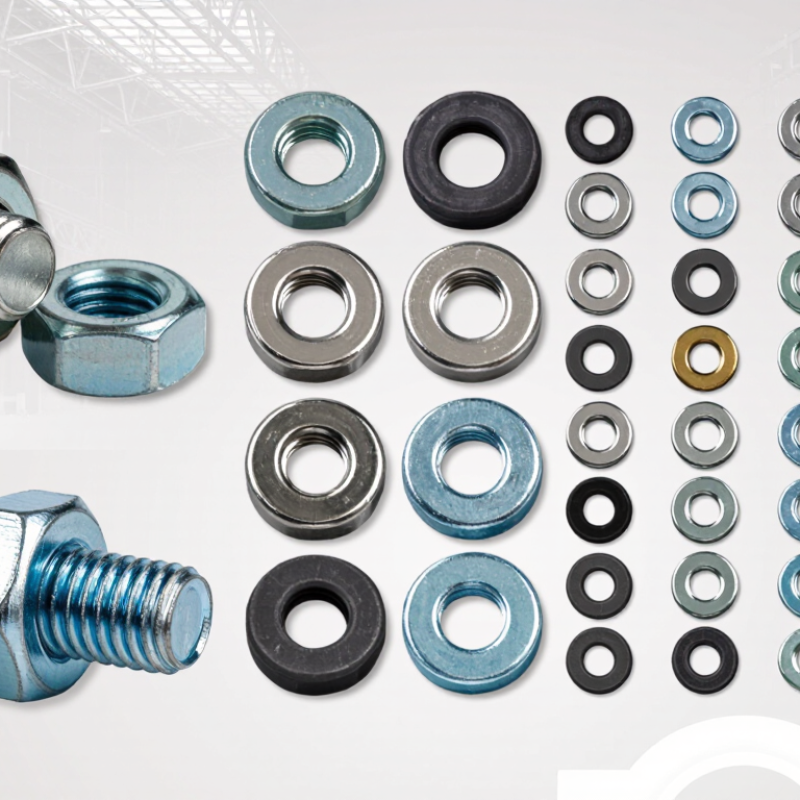
A washer is more than a flat metal disc. It spreads clamping force across the joint surface. ASTM F844 covers steel, plain, general-purpose washers for common fastening applications. Its requirements help buyers control dimensions, workmanship, and product consistency. However, ASTM F844 does not replace joint engineering or define one universal load capacity. The correct washer depends on bolt size, tightening force, substrate strength, and hole condition.
Start by documenting the real load environment. Note tension, shear, vibration, temperature, and the material beneath the washer. A thin washer may distort a soft panel. A larger outside diameter may reduce bearing pressure. Check nominal size, inside diameter, outside diameter, thickness, material, and finish. Request current inspection records and lot traceability when consistency matters. Certification alone is not enough. Details can still be missed.
Tips: Match the washer to the joint, not only the bolt. Compare ASTM F844 dimensions with your drawing. Confirm the current standard edition. Inspect sample parts before mass purchasing. Look for bent edges, uneven surfaces, and blocked holes. Also question assumptions. General-purpose performance may not suit a highly loaded or safety-critical connection. Needlessly oversized washers can create clearance problems, while undersized ones may leave visible pressure marks.
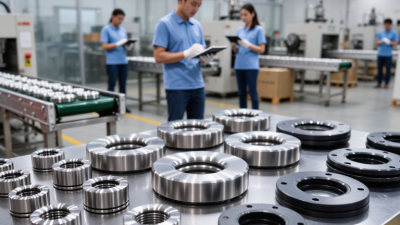
Choosing the right washer begins with the mating bolt, not the supplier catalogue. ISO 7089 covers plain washers in the normal series, product grade A. ISO 7090 covers the same series with a chamfered outer edge. Both use metric nominal sizes, but their outside diameter, thickness, and edge profile must match the assembly drawing. Measure the bolt diameter, hole diameter, bearing surface, and available clearance.
Small details matter. A loose washer may tilt under load. An oversized washer may interfere with nearby parts. Check the washer’s inside diameter against the bolt shank, not only the thread label.
Then confirm the outside diameter and thickness against the relevant ISO table. For example, a nominal M10 washer requires more than an “M10” purchasing description. Material, hardness, coating, and corrosion exposure also affect performance.
The global fasteners market was valued at about USD 88.43 billion in 2023, according to Grand View Research’s 2024 industry analysis. That scale increases sourcing choices, but also increases specification risk. A separate 2024 analysis by Mordor Intelligence forecasts continued fastener-market growth through 2029, driven partly by construction and machinery demand. These figures support careful standardization, not casual substitution. In practice, request dimensional inspection records and coating details. I would also recheck the drawing after sampling. Procurement errors often hide in familiar sizes. A washer can look correct and still fail the fit check.
Global sourcing structural washers requires more than matching a hole diameter. The material must support the bolt system and the joint design. ASTM F436/F436M is a useful reference for hardened structural washers. Its specified hardness range is commonly 38–45 HRC. This range indicates resistance to bearing, deformation, and installation stress. Do not treat hardness as the only selection factor.
I have seen sourcing teams approve samples after checking dimensions alone. That approach can fail later. Ask for heat-treatment records and lot-based hardness reports. Confirm the test method, sampling location, and actual HRC readings. A washer measuring 42 HRC may perform differently from one with poor flatness. Check outside diameter, inside diameter, thickness, and contact surfaces. Small deviations can affect load transfer under a bolt head or nut.
Coating selection also matters. A coating must match the project environment and the compatible fastener assembly. Ask whether the coating changes dimensions or creates installation concerns. Review ASTM F436/F436M requirements against the exact purchase specification and current edition. Standards are not always interpreted consistently across suppliers. That deserves careful checking. Require material traceability, inspection records, and clear nonconformance procedures. Price still matters, but an unusually low quote may hide incomplete testing or inconsistent heat treatment. When comparing overseas suppliers, use the same drawings, tolerances, hardness requirements, and documentation checklist. Then compare evidence, not promises.
| Sourcing Dimension | ASTM F436 / F436M Requirement or Reference | Recommended Material or Manufacturing Route | Global Sourcing Checkpoint | Required Evidence |
|---|---|---|---|---|
| Structural application | Designed for use with structural bolting assemblies where hardened washers are required to distribute the clamping load and protect the connected material. | Select a washer specifically manufactured and tested to the applicable ASTM F436 or ASTM F436M dimensional and mechanical requirements. | Do not replace a structural washer with a general-purpose flat washer solely because the outside diameter appears similar. | Purchase specification, product drawing, and inspection report identifying ASTM F436 or F436M compliance. |
| Hardness | 38–45 HRC is the key structural washer hardness range specified by ASTM F436. | Use carbon steel or alloy steel capable of achieving the specified hardness after controlled heat treatment. | Reject lots outside the 38–45 HRC range. Do not approve material based only on a steel grade or tensile-strength claim. | Lot-based Rockwell C hardness results, test location, test method, and calibrated equipment records. |
| Base material selection | ASTM F436 performance is determined by the finished washer’s required properties and dimensions, not by a generic commercial material description alone. | Choose a documented carbon-steel or alloy-steel grade with sufficient hardenability, toughness, and availability in the target region. | Confirm that the proposed grade can consistently reach 38–45 HRC without excessive distortion or cracking. | Mill certificate, chemical composition, heat-treatment records, and supplier material traceability. |
| Heat treatment | The finished washer must meet the specified hardness and applicable mechanical requirements after manufacturing and heat treatment. | Use a controlled hardening and tempering process, followed by dimensional inspection and hardness verification. | Check for soft spots, quench cracks, excessive warpage, decarburization, and batch-to-batch hardness variation. | Heat-treatment batch number, furnace chart, hardness map, and nonconformance records where applicable. |
| Dimensions and fit | Inside diameter, outside diameter, thickness, and other dimensional features must match the applicable ASTM F436 or F436M dimensional table for the specified nominal bolt size. | Use the inch version for inch-series assemblies and the metric version for metric assemblies; verify dimensions from the current standard edition. | Confirm bolt size, hole clearance, bearing area, washer thickness, and installation orientation before ordering. | Approved drawing, dimensional inspection report, calibrated gauges, and first-article inspection results. |
| Corrosion protection | A coating or finish must not compromise the required washer dimensions, hardness, installation performance, or compatibility with the structural assembly. | For carbon or alloy steel, select the coating system according to the project environment and the applicable fastener/coating requirements. | Check coating thickness, thread-and-hole compatibility, dimensional buildup, corrosion resistance, and hydrogen-embrittlement controls where relevant. | Coating certificate, thickness readings, visual inspection report, and process-control documentation. |
| Testing and inspection | Mechanical and dimensional verification should follow the applicable ASTM requirements and referenced test methods, including ASTM F606/F606M where applicable. | Define sampling frequency, lot definition, acceptance criteria, and retest rules before production begins. | Use an independent laboratory for qualification or when supplier test capability cannot be demonstrated. | Certificate of conformance, inspection plan, test reports, calibration certificates, and retained samples. |
| Traceability | Each shipment should be traceable to the applicable production lot and the requirements stated in the purchase order. | Require lot separation from raw material through forming, heat treatment, finishing, inspection, packaging, and shipment. | Avoid mixed lots in one package unless each lot is clearly identified and separately documented. | Lot number, production date, material heat number, inspection status, and packing-list references. |
| Final acceptance rule | A washer should be accepted only when its material, hardness, dimensions, finish, and documentation satisfy the purchase specification and the applicable ASTM standard. | Prioritize verified ASTM compliance over the lowest unit price or an unverified “hardened washer” description. | Place hold status on any lot with missing hardness data, unclear material traceability, dimensional deviations, or undocumented coating changes. | Signed approval record, complete quality dossier, and release authorization for the specific shipment lot. |
When sourcing washers globally, corrosion protection should be specified before price. ISO 4042 helps define electroplated coating systems for fasteners and related components. It covers coating type, thickness, appearance, and corrosion performance. These details should appear clearly on the purchase specification. A phrase like “zinc plated” is too vague. It may produce different results across suppliers and regions.
Tips: State the required coating system, thickness class, finish, and corrosion test method. Check whether the washer contacts aluminum, steel, moisture, or chemicals. Confirm dimensional limits after coating. For critical assemblies, request inspection records and representative samples. Salt spray results are useful, but they do not predict every service environment. This is often overlooked.
A reliable specification should also address hydrogen embrittlement risk when high-strength parts are involved. The washer’s material, hardness, and assembly load can influence the final decision. Ask suppliers to confirm process controls, coating batch identification, and sampling frequency. Inspectors should verify coating thickness at practical measuring points, not only on easy-to-reach surfaces. ISO 4042 provides a framework, but it cannot replace engineering judgment. A coating that performs well in a laboratory may fail near seawater, trapped moisture, or damaged edges. That uncomfortable gap deserves attention.
How to Choose the Right Washers for Global Sourcing?
For global sourcing, washer selection should begin with the purchase specification, not appearance alone. Confirm the washer type, dimensions, material, hardness, surface treatment, and applicable product standard. ISO 3269 provides a framework for fastener inspection and acceptance, but it does not replace the agreed technical requirements. Record the exact ISO edition in the contract. Standards can change.
During incoming inspection, identify the lot clearly and verify the sampling plan before opening cartons. Check sample quantities, outer diameter, inner diameter, thickness, burrs, and visible corrosion. Use calibrated gauges and retain measurement records. For coated washers, inspect surface coverage and check coating requirements stated in the order. A clean sample does not prove the entire lot is consistent. That is where careful acceptance decisions matter.
Tips: Define acceptable and rejectable defects before production starts. Ask for material certificates and inspection reports, then compare them with your own sample results. Keep photos of packaging, labels, and measured parts. If one dimension fails, pause acceptance and investigate the lot instead of quietly averaging results. This may slow purchasing. It can prevent costly assembly failures. Recheck unclear requirements with the supplier and inspector. A checklist helps, but it is not perfect. Human judgment still needs documented evidence.