2026 How to Choose the Best Washers for Your Home Needs?
Choosing the right washers for your home is essential. With many options available, it can be overwhelming. Washers vary in size, efficiency, and features, making it crucial to find the best fit for your needs.
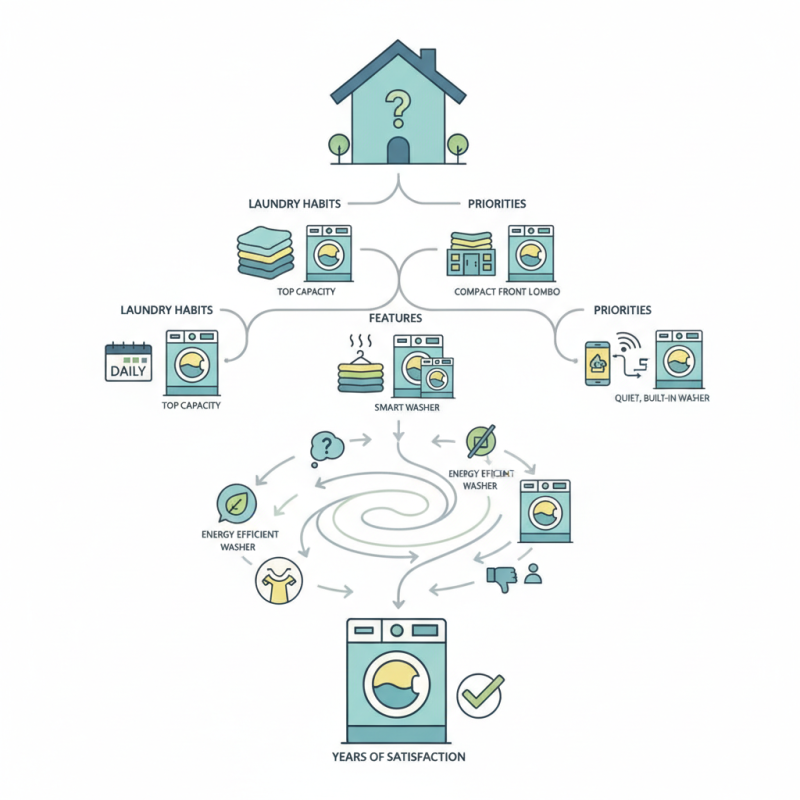
You may want to consider your laundry habits. For instance, how often do you wash clothes? If you do laundry daily, a high-capacity washer might suit you. Smaller households may benefit from compact models that take up less space. Features also play a significant role. Some washers have advanced options like steam cleaning or smart connectivity.
However, it's easy to get lost in all these choices. You might choose a washer based on a friend's recommendation, only to realize it doesn’t fit your needs. Reflect on what is truly important for you. Prioritize energy efficiency and noise levels, especially if your laundry is close to living areas. Making a thoughtful choice can lead to years of satisfaction with your new washer.
Understanding Different Types of Washers Available in the Market
When choosing a washer for your home, it is essential to know the different types available. There are top-load washers and front-load washers. Each type has its advantages and drawbacks.
Top-load washers are easier to load and unload. You don’t need to bend down much. However, they tend to use more water and energy. They also may not wash clothes as thoroughly as front-load models. A front-load washer saves on both water and energy. It spins faster, which reduces drying time. Unfortunately, bending down can be a hassle for some users.
Compact washers are another option for smaller homes. They fit in tight spaces and are lightweight. However, they usually have a smaller capacity, which means fewer clothes per load. Portable washers offer ease of movement. They can be stored away when not in use. Still, they often require more effort to set up. Each of these types has pros and cons that could lead to regret if not considered carefully. Choosing the right washer demands thoughtful reflection on your specific needs.
Evaluating Your Laundry Needs and Space Constraints
When selecting a washer for your home, start by understanding your laundry needs. Do you have a large family? Do you frequently wash bulky items? These factors will dictate the type and size of the washer you require. If space is limited, consider compact models that fit snugly in small areas. For larger households, you might need a high-capacity machine. However, remember that bigger isn't always better. A too-large washer can waste water and energy on smaller loads.
Next, assess your laundry space. Measure the area where the machine will go. Ensure there's enough clearance for the door to open and for ventilation. Sometimes, home environments pose unexpected challenges. Pipes might interfere or the floor might be uneven, which could affect installation. Don’t overlook these details; they can lead to frustration later.
Think about your laundry habits too. If you prefer doing laundry in a hurry, a washer with quick wash cycles might be ideal. But be mindful that these cycles can sometimes mean less thorough cleaning. Balancing convenience and effectiveness is tricky. Take the time to reflect on your daily routine and how a washer may impact it. Choosing the right washer requires careful consideration of both your needs and the limitations of your home.
Energy Efficiency and Water Consumption Ratings Explained
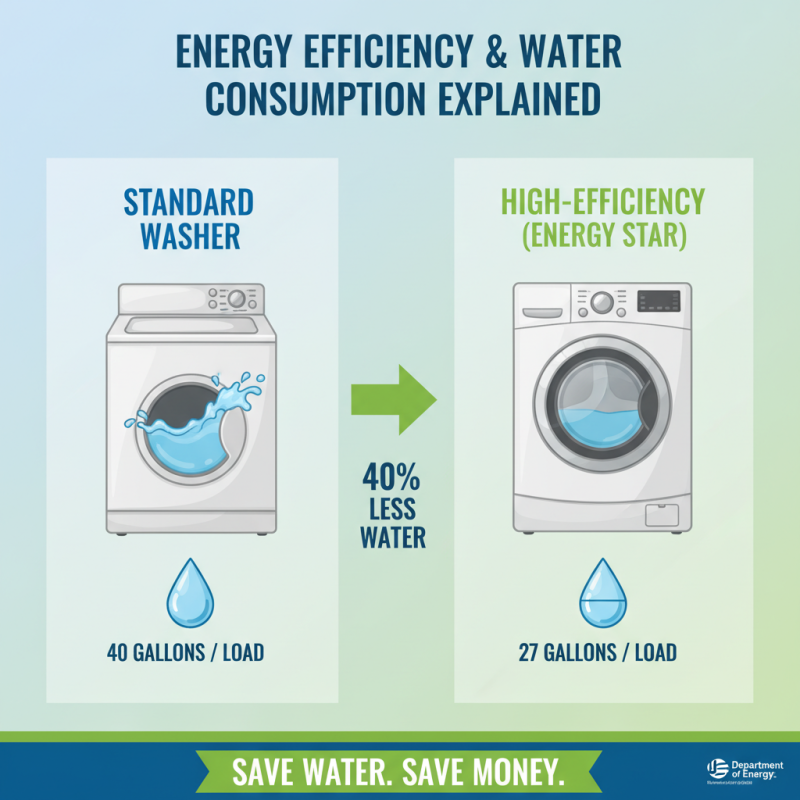
When selecting a washer, energy efficiency and water consumption are critical factors. According to the U.S. Department of Energy, a high-efficiency washer can use about 40% less water than traditional models. This not only conserves water but also lowers your utility bills. For example, a standard washer consumes around 40 gallons per load. In contrast, an Energy Star-rated model requires approximately 27 gallons. The difference adds up over time.
Understanding the energy consumption ratings is essential. Washers have an Energy Factor (EF) rating. Higher EF ratings indicate more efficient machines. For instance, washers with a rating above 2.0 are considered very efficient. However, some users might overlook these ratings in favor of price. This decision could lead to higher long-term costs.
Consider your household's laundry needs and practices. Some may wash only once a week, while others wash daily. This frequency impacts water usage. If you wash fewer loads, it may not be worth investing in the top-rated model. Think critically about what works best for your situation. Identifying the right balance between efficiency and practicality is key.
Essential Features to Consider When Selecting a Washer
When selecting a washer for your home, consider essential features that suit your lifestyle and needs. Energy efficiency is vital; a report from the U.S. Department of Energy states that using a high-efficiency washer can save a household around $50 annually on utility bills. Look for models with Energy Star certification to ensure lower water and energy consumption.
Capacity is another crucial aspect. A larger capacity washer allows you to wash more clothes in a single load. According to market research, families can significantly reduce laundry time with washers that hold up to 5.0 cubic feet. However, consider how often you do laundry. If it’s infrequent, a smaller model may suffice.
Noise levels matter, especially in open-plan homes. Studies show that noise-reduction technology can make a difference. Select washers designed to operate quietly. Lastly, think about the features you’ll actually use. Many machines come with complex settings that may go unused, leading to a waste of money. Reflect on your washing habits to identify what truly enhances your laundry process.
2026 How to Choose the Best Washers for Your Home Needs?
| Feature |
Description |
Importance |
| Load Capacity |
The maximum weight of laundry that the washer can handle in a single load. |
High |
| Energy Efficiency |
Indicates how much power the washer uses compared to its output. |
High |
| Washing Programs |
Different cycles for various types of laundry (e.g., delicate, heavy-duty). |
Medium |
| Size & Dimensions |
Physical dimensions to ensure it fits in your laundry space. |
High |
| Noise Level |
Measured in decibels (dB), lower values indicate quieter operation. |
Medium |
| Smart Features |
Connectivity for remote monitoring and control via smartphone apps. |
Low |
| Warranty |
Coverage period for parts and service, indicates product reliability. |
Medium |
Budgeting for Your Washer Purchase: Tips and Considerations
When budgeting for a new washer, consider your overall financial situation. Set a clear budget to avoid overspending. It's easy to get swayed by features, but focus on what you really need. Washers can range significantly in price. Make sure to account for additional expenses like delivery and installation.
**Tips:**
Research the price range before shopping. This helps in understanding what to expect. Look for sales around holidays; they can save you money. Don't forget to check for energy efficiency ratings. These may have higher upfront costs but save on bills long-term.
Think about the size and capacity of the washer. A larger unit can handle bigger loads, but may cost more. If space is limited, consider compact models. Remember, features like smart technology can be attractive. However, they may not always fit your practical needs. Balance desires with practical use. Keep in mind the possibility of unexpected costs later. Always have a buffer in your budget if repairs arise.


 Phone
Phone Send Email
 whatsapp
 Facebook
 Youtube