What is the Nutritional Value of Nuts and Their Health Benefits?
Nuts are small but powerful foods packed with nutrients. They have been staples in many diets for centuries due to their rich flavor and health benefits. Studies show that regular consumption of nuts can improve heart health, reduce inflammation, and support weight management.
Incorporating nuts into your diet can be simple. A handful of almonds or walnuts makes a great snack. They provide essential fatty acids, protein, vitamins, and minerals. However, moderation is key. Nuts are calorie-dense, and overconsumption can lead to unwanted weight gain.
Research emphasizes the importance of variety among nuts. Different types offer unique nutrients. For instance, walnuts are high in omega-3s, while cashews provide iron and zinc. Each type has its benefits, encouraging a balanced approach to snacking. Ultimately, understanding the nutritional value of nuts can lead to healthier eating habits and improved well-being.
Nutritional Composition of Common Nuts: A Detailed Analysis
Nuts are a rich source of nutrition, providing essential vitamins and healthy fats. Almonds, walnuts, and cashews differ in their nutritional profiles. Almonds are high in vitamin E, aiding skin health. Walnuts are known for their omega-3 fatty acids, beneficial for brain health. Cashews contain magnesium, vital for muscle function.
The fiber content in nuts promotes digestion. Their protein content supports muscle repair. Nuts also contain antioxidants, which combat oxidative stress. Snacking on a small handful daily can enhance heart health. However, portion control is essential. Nuts are calorie-dense and can contribute to weight gain.
Tips: Experiment with different nuts to keep your diet interesting. Try adding walnuts to your salads for a crunch. Remember, if you're new to nuts, start with small amounts to avoid digestive discomfort.
Micronutrients in Nuts: Vitamins and Minerals Essential for Health
Nuts are often praised for their health benefits. They contain essential vitamins and minerals that support overall wellbeing. Micronutrients found in nuts include vitamin E, magnesium, and potassium. These nutrients play important roles in maintaining good health.
Vitamin E is a powerful antioxidant. It helps protect cells from damage caused by free radicals. This vitamin supports immune function and skin health. Magnesium contributes to over 300 biochemical reactions in the body. It supports muscle and nerve function, blood sugar levels, and blood pressure regulation. Potassium is vital for heart health. It helps maintain fluid balance and muscle contractions.
Despite these benefits, many people overlook nuts in their diet. This could be due to concerns about calories or allergens. Yet, a small handful of nuts can provide significant nutritional value. Incorporating them into meals or snacks can enhance your nutrient intake. It’s important to pay attention to portion sizes. Nuts are calorie-dense, and moderation is key. They offer a world of health benefits waiting to be discovered.
Nutritional Value of Nuts
This bar chart displays the caloric value of various types of nuts per 100 grams. Nuts are not only calorie-dense but also rich in essential vitamins and minerals that contribute to overall health.
Health Benefits of Nuts: Heart Health, Weight Management, and More
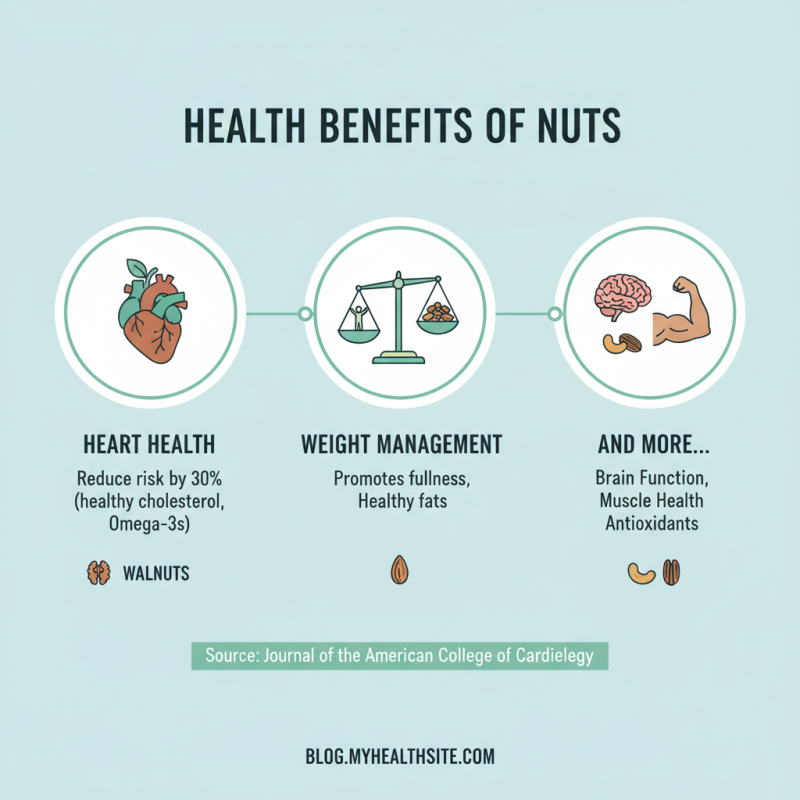
Nuts are small but mighty when it comes to health benefits. A recent study published in the Journal of the American College of Cardiology found that regular nut consumption can reduce the risk of heart disease by 30%. This is largely due to their high levels of unsaturated fats, which promote healthy cholesterol levels. Walnuts, for instance, are rich in omega-3 fatty acids, essential for maintaining heart health.
Weight management is another area where nuts shine. Research from the International Journal of Obesity indicates that incorporating nuts into your diet can help with weight loss, as they increase satiety. A serving of almonds can keep you feeling full longer, preventing overeating. However, portion control is key. Nuts are calorie-dense, and overindulgence can lead to unintended weight gain.
Additionally, nuts contain vitamins, minerals, and antioxidants. These nutrients contribute to overall health, including improved brain function and reduced inflammation. However, not all nuts are created equal. Some, like cashews, contain more carbs, which may not suit all diets. Therefore, understanding the nutritional profile of various nuts is essential for maximizing their health benefits.
Scientific Studies Supporting Nut Consumption and Disease Prevention
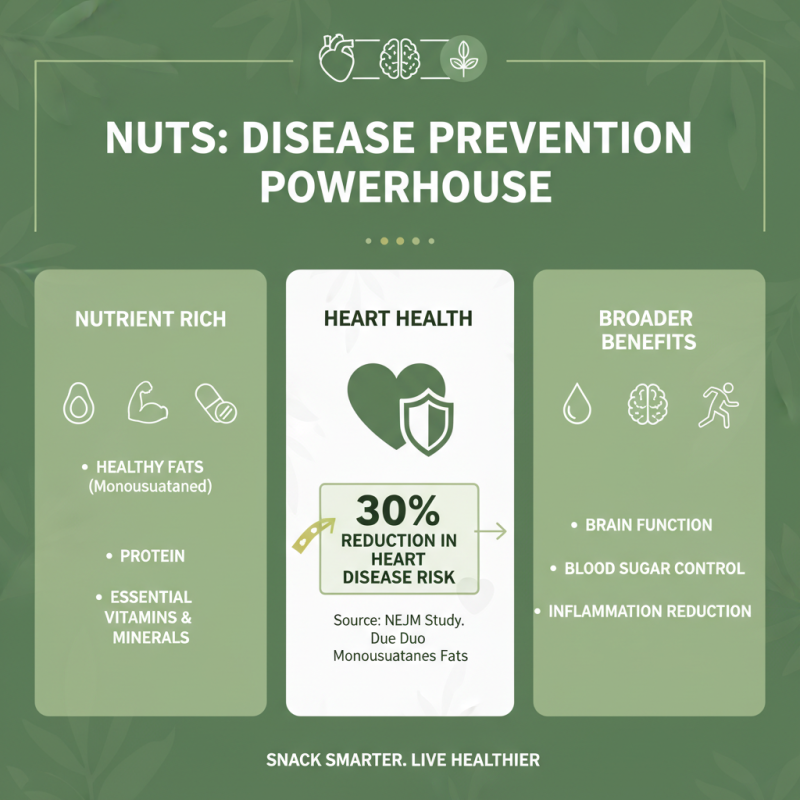
Nuts are nutritional powerhouses, rich in healthy fats, proteins, and essential vitamins. Scientific studies emphasize their role in disease prevention. For example, a study published in the "New England Journal of Medicine" found that regular nut consumption can lower the risk of heart disease by 30%. This is attributed to their high monounsaturated fat content, which helps maintain heart health.
Further research from the "Journal of Nutrition" highlights that nuts can reduce inflammation, a key factor in many chronic diseases. Almonds, for instance, are rich in vitamin E, known for its antioxidant properties. Consuming just a handful of walnuts daily has been linked to lower cholesterol levels. These findings indicate that incorporating nuts into the diet can be a simple yet effective preventive measure.
Despite their numerous benefits, nuts are calorie-dense. This necessitates mindful consumption. Overindulgence can lead to weight gain, countering their health advantages. Striking a balance is essential. Monitoring portion sizes helps reap the benefits while avoiding excess.
Daily Recommended Intake: How Many Nuts Should You Eat?
Determining how many nuts to include in your daily diet can be tricky. Nutritionists often suggest a serving size of about a handful, roughly 28 grams. This amount can provide beneficial nutrients without going overboard on calories. Nuts are calorie-dense; eating excessive amounts can lead to weight gain. Knowing your limits is vital.
Incorporating nuts into meals is easy. Toss them in salads or yogurt. Use them in smoothies for added texture. Be mindful of how they fit into your overall diet. They are packed with healthy fats, fiber, and protein. However, they should not replace other essential food groups entirely.
Listening to your body can also guide your intake. If you notice feeling sluggish or overly full, reconsider your nut consumption. Balance is key. While nuts have significant health benefits, moderation is essential. Each individual’s nutritional needs vary, making it essential to adjust your intake based on personal health and activity levels.








 Phone
Phone Send Email
 whatsapp
 Facebook
 Youtube