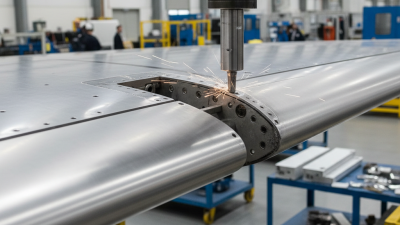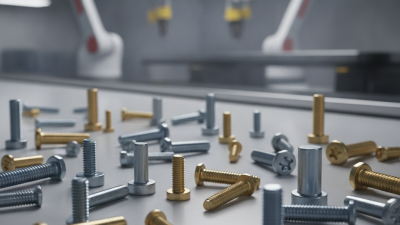
China Top 10 Rivet Manufacturers for Global Buyers examines suppliers through evidence, not factory claims alone. Rivets support aircraft interiors, vehicle panels, appliances, construction systems, and everyday hardware. A small dimensional error can create visible gaps, loose joints, or costly rework. That risk makes supplier evaluation essential.
Industry reports show why this market deserves careful attention. MarketsandMarkets’ 2024 Fasteners Market analysis identifies transportation, construction, and industrial equipment as major demand sectors. Grand View Research also reports continuing growth in industrial fasteners, driven by manufacturing expansion and infrastructure investment. However, market estimates differ because analysts classify fasteners differently. That limitation matters.
This guide compares ten Chinese manufacturers using practical buyer criteria. These include material control, forming accuracy, surface treatment, tooling capability, minimum order quantities, export experience, and quality documentation. ISO 9001 certification is useful, but it cannot replace batch testing or traceability. For automotive buyers, IATF 16949 experience may provide stronger process assurance. Aerospace projects require stricter approval systems and documented compliance.
Look beyond catalog photos.
A credible manufacturer should explain alloy grades, hardness ranges, corrosion protection, and inspection frequency. Buyers should request samples, dimensional reports, packing details, and recent third-party test records. EN, ASTM, or customer-specific standards must be confirmed before production begins. No ranking stays perfect forever. Capacity changes, ownership shifts, and inconsistent batches can alter a supplier’s position. Therefore, this overview is a focused starting point, not a permanent verdict. It aims to help global buyers shortlist reliable Rivets partners with clearer evidence, fewer assumptions, and more realistic purchasing decisions.
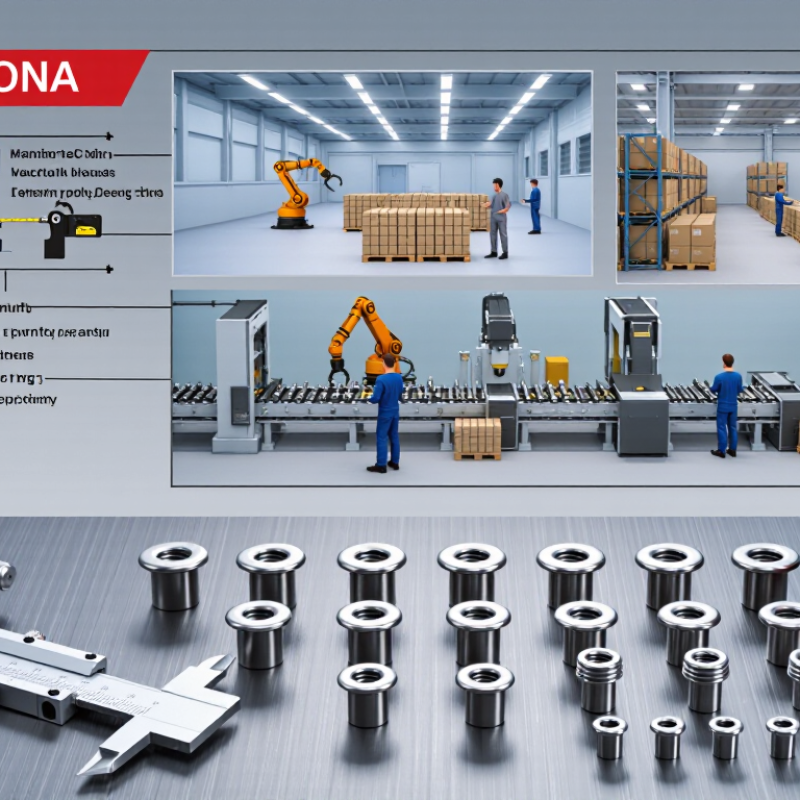
China’s rivet manufacturing sector serves automotive, construction, electronics, and general engineering buyers. Common types include blind rivets, solid rivets, semi-tubular rivets, and drive rivets. Each design suits a different joint condition, installation method, and maintenance requirement.
Aluminum rivets offer low weight and useful corrosion resistance. Steel provides higher shear strength for demanding assemblies. Stainless steel, especially grades such as 304 and 316, supports harsher environments. Copper remains practical for electrical and traditional metalwork applications. Experienced buyers should check diameter, grip range, mandrel design, hardness, and surface treatment. A small mismatch can cause joint failure.
Manufacturers may work against ISO, DIN, ASTM, or customer-specific specifications. The correct standard depends on rivet type and market requirements. Ask for material certificates, dimensional reports, tensile tests, shear tests, and coating records. Factory audits can also reveal inconsistent sorting or weak process control. This step is often skipped. That is a mistake. Even reliable production lines can produce variation between batches.
Tips: Define the joint load and panel thickness before requesting quotations. Test samples under realistic vibration, moisture, and temperature conditions. Confirm packaging, traceability, and inspection frequency in writing. Do not judge quality from appearance alone. A bright finish can hide poor forming or an unsuitable alloy.

How to Evaluate China’s Top Rivet Manufacturers
A reliable rivet manufacturer should provide traceable material records, dimensional reports, and batch-level inspection results. During supplier audits, I check whether the heat number follows the material from receipt to shipment. A polished brochure is not proof. It is only an opening clue.
Use recognized standards to compare suppliers fairly. ISO 15973 covers certain blind rivet dimensions and performance requirements. ASTM F606/F606M provides methods for testing mechanical fasteners. Ask for tensile, shear, mandrel-retention, and salt-spray results when relevant. The 2024 Global Fasteners Market analysis by Grand View Research estimated the market at more than USD 100 billion in 2023, showing why quality controls matter across high-volume supply chains. However, fastener data often combines screws, bolts, and rivets. That limitation deserves attention.
Production capacity must be verified, not simply stated. Request machine lists, monthly output evidence, sample approval records, and recent nonconformance data. UN Comtrade classifies rivets under HS 731823, allowing buyers to compare international trade flows and supplier consistency. Yet trade volume alone cannot prove quality. A factory may ship heavily and still lack stable process control. Check dimensional capability, plating thickness, packaging protection, and corrective-action speed. Sample ten pieces from different cartons. Measure them independently. Small checks expose large assumptions.
This buyer evaluation model assigns practical weighting to the main factors used when comparing rivet manufacturers in China. Quality consistency and production capability receive the highest priority, followed by certification, delivery reliability, customization, export experience, and total cost.
The top 10 China rivet manufacturers should be assessed by production ability, quality control, and export experience. A low price alone does not prove dependable performance. Global buyers should review available rivet types, including blind, solid, semi-tubular, and structural designs. Material choices matter too. Aluminum, steel, stainless steel, and copper rivets serve different joining conditions.
Look closely at diameter tolerance, mandrel strength, surface finish, and corrosion resistance. Ask for recent inspection reports and production samples. A practical sample check should include pull-out force, shear strength, and visual consistency. Small details matter. A rough head or uneven setting can slow assembly.
A credible manufacturer should offer clear drawings, batch traceability, stable packaging, and responsive technical support. Factory audits can reveal useful details, such as calibrated testing equipment and organized storage. Buyers should also confirm minimum order quantities, tooling charges, lead times, and export documentation before signing an order. Some suppliers provide excellent samples but weaker mass production. That gap deserves attention. No factory is perfect, and even a qualified manufacturer may need improvement in communication or scheduling. Comparing ten suppliers through the same checklist creates a fairer decision. It also reduces the risk of choosing only by catalog appearance or attractive quotations.
When global buyers compare China’s top 10 rivet manufacturers, quality control should carry more weight than ranking claims. A capable factory should show documented inspections from incoming wire to final packaging. Operators should check diameter, head height, length, and surface finish with calibrated gauges. Small defects matter. They can weaken an assembly or create installation problems.
Production capability reveals whether a supplier can handle real demand. Look for cold-heading equipment, automated sorting, and stable capacity for aluminum, steel, stainless steel, or copper rivets. Ask for process-flow records, batch traceability, and inspection reports from recent orders. Tensile, shear, hardness, and salt-spray testing may be necessary for demanding applications. Clear tolerance data is more useful than general promises. Sample approval should match mass production.
Certifications can support credibility, but buyers must verify their scope and expiry dates. ISO 9001 indicates a quality management system, while automotive projects may require IATF 16949. Environmental and material declarations can also support responsible sourcing. Independent audits are helpful when factory evidence feels incomplete. In supplier assessments, I have found that polished certificates do not always reflect shop-floor discipline. One weakness may remain: some factories record inspections manually, increasing the risk of missed data. Buyers should request corrective-action records, production samples, and a realistic lead-time plan before approval.
China’s top 10 rivet manufacturers may differ in capacity, specialization, and export support. Global buyers should examine more than catalog prices. Reliable suppliers usually provide material certificates, dimensional inspection reports, and traceable batch records. Ask whether they support aluminum, steel, stainless steel, or custom rivets. Production photos can reveal tooling conditions and packaging discipline. Export experience also matters. Confirm their ability to prepare commercial invoices, packing lists, certificates of origin, and shipping documents accurately. Clear Incoterms reduce misunderstandings.
Pricing depends on material grade, rivet size, surface treatment, tooling, order quantity, and packaging. Freight costs can change the final landed price quickly. Request a detailed quotation with separate tooling, sampling, production, and delivery charges. Compare equal specifications. A cheaper offer may use thinner material or weaker inspection procedures. Sample testing is essential. However, one successful sample does not prove stable mass production. Review quality controls before placing a large order.
Tips: Build a supplier scorecard. Include quality, response time, export documents, payment terms, and delivery history. Check whether the supplier accepts independent inspection. Ask for references from similar industries, where possible. Keep communication written and specific. No scorecard is perfect. Revisit it after the first shipment, especially if delays or packaging damage occur. A supplier that admits limitations may be more dependable than one promising everything.
| Rank | Anonymous Supplier Profile | Typical Manufacturing Region | Main Rivet Products | Common Materials | Typical Standards Supported | Export Services | Indicative FOB Price per 1,000 Pieces |
Typical MOQ | Typical Production Lead Time | Best Fit for Global Buyers | Key Selection Check |
|---|---|---|---|---|---|---|---|---|---|---|---|
| 1 | Profile A | Eastern China | Open-end blind rivets, closed-end blind rivets | Aluminum, steel, stainless steel | ISO 15973, ISO 15974, DIN 7337, customer drawings | OEM packaging, export cartons, mixed-size consolidation, pre-shipment inspection | US$18–85 | 10,000–50,000 pieces | 20–35 days | General industrial assembly and regular container orders | Verify mandrel retention, tensile strength, shear strength, and batch traceability. |
| 2 | Profile B | South China | Structural blind rivets, high-strength breakstem rivets | Steel, stainless steel, aluminum | Customer drawings, ISO quality procedures, application-specific specifications | Technical drawing review, sample testing, palletized export packing, documentation support | US$70–240 | 5,000–20,000 pieces | 30–45 days | Automotive bodies, trailers, appliances, and high-load applications | Request verified load data and confirm compatibility with the installation tool. |
| 3 | Profile C | East-Central China | Solid rivets, semi-tubular rivets, tubular rivets | Low-carbon steel, stainless steel, copper, brass, aluminum | DIN 660, DIN 661, DIN 662, customer specifications | Cold-heading production, sorting, surface treatment coordination, export labeling | US$12–95 | 20,000–100,000 pieces | 25–40 days | Leather goods, furniture, machinery, electrical and metal assemblies | Check head geometry, shank diameter tolerance, hardness, and plating thickness. |
| 4 | Profile D | Yangtze River Delta | Colored blind rivets, large-flange rivets, multi-grip rivets | Painted aluminum, aluminum alloy, steel, stainless steel | ISO 15973, ISO 15974, RoHS-related customer requirements | Color matching, private-label packaging, barcode labels, inspection reports | US$25–120 | 10,000–30,000 pieces | 25–40 days | Roofing, signage, HVAC, exterior panels, and consumer products | Confirm coating adhesion, salt-spray expectations, color tolerance, and weather resistance. |
| 5 | Profile E | Northern China | Stainless steel blind rivets, corrosion-resistant rivets | 304 stainless steel, 316 stainless steel, aluminum | ISO 15973, ISO 15974, ASTM-related customer requirements | Material certificates, corrosion testing coordination, export compliance documents | US$65–260 | 5,000–25,000 pieces | 30–50 days | Marine equipment, chemical facilities, food-processing equipment, and outdoor structures | Confirm the exact stainless grade and test galvanic-corrosion risks in the assembly. |
| 6 | Profile F | Southwest China | Threaded inserts, rivet nuts, self-clinching fasteners | Carbon steel, stainless steel, aluminum | IFI-related customer specifications, DIN-style dimensions, engineering drawings | Thread-gauge inspection, torque testing, application samples, engineering support | US$35–180 | 5,000–30,000 pieces | 25–45 days | Sheet-metal fabrication, cabinets, automotive components, and electronics enclosures | Check pull-out force, spin-out torque, installation-hole size, and sheet thickness range. |
| 7 | Profile G | Eastern China | Custom-head rivets, miniature rivets, precision cold-forged rivets | Stainless steel, brass, copper, aluminum, alloy steel | Customer drawings, ISO 2768-related tolerances, sector-specific specifications | Prototype tooling, dimensional reports, optical sorting, small-batch export orders | US$45–320 | 3,000–20,000 pieces | 30–55 days | Electronics, medical devices, precision instruments, and specialized machinery | Evaluate tooling charges, first-article approval, surface finish, and critical dimensions. |
| 8 | Profile H | Central China | Heavy-duty solid rivets, structural rivets, large-diameter rivets | Carbon steel, alloy steel, stainless steel | DIN 660, DIN 661, EN-related customer requirements | Heat-treatment coordination, mechanical test reports, heavy export packaging | US$55–280 | 5,000–25,000 pieces | 35–60 days | Bridges, rail equipment, heavy machinery, and structural steelwork | Confirm material grade, heat-treatment condition, fatigue requirements, and installation method. |
| 9 | Profile I | South China | Construction rivets, waterproof rivets, sealing rivets | Aluminum, steel, stainless steel, EPDM-sealed components | ISO 15973, ISO 15974, project-specific weatherproofing requirements | Water-leak testing coordination, project packaging, container loading plans, inspection support | US$30–175 | 10,000–50,000 pieces | 25–45 days | Building facades, roofing, gutters, signage, and outdoor installations | Review sealing performance, washer material, clamp range, and environmental exposure rating. |
| 10 | Profile J | Yangtze River Delta | Standard industrial rivets, mixed fastener kits, maintenance rivets | Aluminum, zinc-plated steel, stainless steel | ISO 15973, ISO 15974, DIN 7337, buyer specifications | Mixed-SKU cartons, inventory programs, fast quotation, drop-ship coordination | US$20–110 | 5,000–30,000 pieces | 15–30 days for standard items | Distributors, hardware wholesalers, repair networks, and maintenance suppliers | Compare total landed cost, stock availability, carton accuracy, and replenishment reliability. |
Pricing is indicative FOB China pricing for standard industrial quantities and may change with material grade, diameter, length, surface treatment, tooling, order volume, packaging, inspection, and freight conditions. Buyers should request current quotations, samples, certificates, and third-party inspection results before placing an order.