Leave Your Message

China Top 10 Custom Fasteners Suppliers?

Choosing the right partner from China’s top custom fasteners suppliers requires more than comparing catalog prices. Custom Fasteners must match the application, production method, and service environment. A threaded stud for a solar frame faces different demands than a precision screw used in medical equipment. Details matter.

This guide reviews ten suppliers through practical purchasing criteria. These include material certificates, dimensional control, surface treatment, tooling capability, sample quality, and delivery consistency. We also consider communication during drawing review and the supplier’s response to engineering changes. Factory experience is useful, but documented process control provides stronger evidence. Look for inspection records, clear tolerances, and traceable batch information. A polished website alone proves little.

No ranking is perfect. Supplier capacity can change, and public information may not show every weakness. That limitation deserves attention. Buyers should request recent samples, audit production areas, and confirm standards before placing volume orders. Ask how the supplier manages plating thickness, thread gauges, hardness testing, and packaging protection. Small gaps can create costly assembly problems later. We have emphasized verifiable signals, yet final qualification still depends on your drawings, forecast, and risk level. This introduction sets the context for comparing China’s leading Custom Fasteners manufacturers with a balanced, evidence-focused approach. It aims to help engineers, sourcing teams, and distributors make decisions based on performance rather than attractive promises. Reliability takes testing.
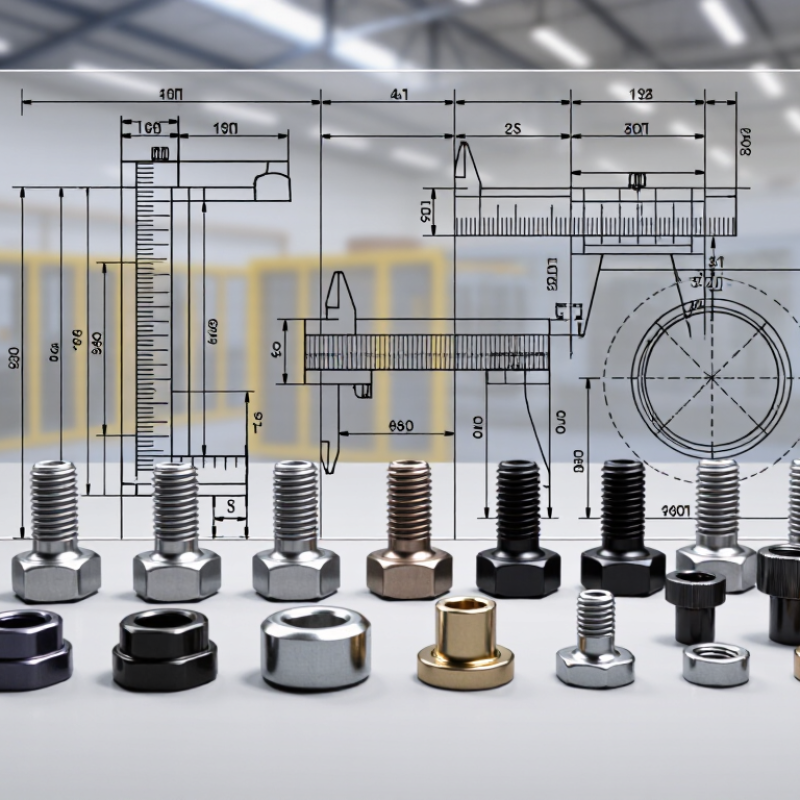
China Top 10 Custom Fasteners Suppliers?

Definition and Role of Custom Fastener Suppliers in China

China Top 10 Custom Fasteners Suppliers?

Definition and Role of Custom Fastener Suppliers in China

Custom fastener suppliers in China do more than produce screws, bolts, nuts, and washers. They convert engineering drawings into controlled, application-specific components. This may include unusual threads, tight tolerances, special coatings, or miniature dimensions. The World Steel Association reported that China produced about 1.019 billion tonnes of crude steel in 2023. This extensive material base supports a broad fastener manufacturing ecosystem.

A capable supplier normally manages tooling, material selection, cold forming, machining, heat treatment, surface finishing, and inspection. Its role is partly technical and partly logistical. Engineers may review thread engagement, load requirements, corrosion exposure, and installation conditions before production. According to Grand View Research, the global industrial fasteners market was estimated at approximately 88.43 billion US dollars in 2023. This demand increases pressure for stable quality, not merely low pricing.

Practical verification matters. Buyers should request dimensional reports, material certificates, hardness results, coating records, and sample approval. Standards such as ISO 898-1 help define mechanical performance for carbon and alloy steel fasteners. Yet compliance documents alone cannot prove process consistency. A supplier may pass one inspection and still show variation across later batches. That uncomfortable possibility deserves attention. Factory audits, traceability codes, and independent testing can reduce this risk, especially for safety-sensitive assemblies.
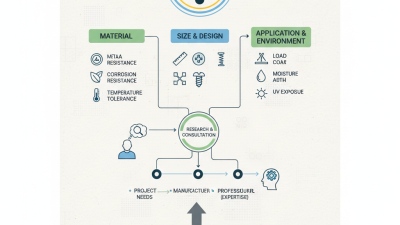
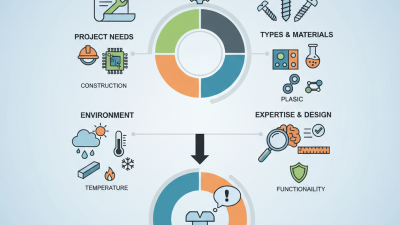
Key Criteria for Evaluating China’s Custom Fastener Manufacturers

China Top 10 Custom Fasteners Suppliers? Key Criteria for Evaluating China’s Custom Fastener Manufacturers

China remains a major fastener production base. The China Fastener Industry Association reports annual domestic output above 8 million tonnes in recent years. Global demand is also expanding. MarketsandMarkets estimates the fasteners market could exceed USD 110 billion by 2029. These figures matter, but supplier selection requires more than production scale. Review material certificates, heat numbers, thread gauges, and dimensional inspection records. A capable factory should explain its control plan for an M8 bolt, not only show attractive product photos.

Evaluate engineering depth and manufacturing consistency. Check whether the supplier controls cold forming, CNC machining, heat treatment, and surface finishing internally. Ask for tolerance data from several production batches. One perfect sample proves little. ISO 9001 certification supports process discipline, but it cannot replace on-site verification. For demanding applications, request testing against applicable ASTM, DIN, or ISO specifications. Confirm tensile strength, hardness, coating thickness, and corrosion results. Industry reports often discuss market volume, not factory reliability. That gap deserves attention.

Tips: Compare three samples from different lots. Verify traceability from steel mill to carton. Request a pre-production inspection and a clear nonconformance process. Examine packaging closely; damaged threads can destroy an otherwise accurate order. Cost should include tooling, testing, rejects, shipping, and replacement risk. A lower quotation may be reasonable, but it may also hide weaker inspection. No scorecard is perfect. Recheck the criteria after the first shipment.

Key Criteria for Evaluating China’s Custom Fastener Manufacturers

This weighted evaluation model reflects the practical priorities commonly used by international buyers when comparing custom fastener suppliers. Quality consistency, engineering capability, customization flexibility, and delivery performance receive the highest weights because they directly affect product reliability, production continuity, and total procurement risk.

Evaluation weights are expressed as percentages of a 100-point supplier assessment.

Top 10 China Custom Fasteners Suppliers by Capabilities and Markets

China’s top ten custom fastener suppliers are best compared by capability and market fit, not factory size alone. A strong supplier may specialize in cold heading, CNC turning, stamping, or precision grinding. Another may focus on stainless steel, titanium, brass, or heat-resistant alloys. These differences affect lead time, tolerances, and production cost.

Automotive suppliers usually manage high-volume bolts, studs, and threaded inserts. Electronics suppliers often produce miniature parts with clean surfaces and tight dimensions. Construction-focused manufacturers provide structural anchors, expansion bolts, and corrosion-resistant hardware. Medical and laboratory suppliers require traceable materials, controlled finishing, and careful inspection. Export-oriented factories should support drawings, samples, packaging, and documentation for overseas markets. Look for process evidence, such as material certificates, gauge records, first-article reports, and fatigue-test data. Useful standards may include ISO 9001, IATF 16949, or relevant ASTM requirements, but certificates alone prove little. Ask who controls the process.

A practical shortlist should include suppliers for prototyping, medium batches, mass production, surface treatment, and difficult materials. Some factories quote quickly but explain tolerances poorly. That is a warning. I have also seen capable workshops lose orders through weak packaging or unclear revision control. Supplier performance depends on communication, inspection discipline, and realistic capacity. The “best” ten can change by market, order size, and technical risk.

China Top 10 Custom Fasteners Suppliers?

Top 10 China Custom Fasteners Suppliers by Capabilities and Markets

Rank Anonymous Supplier Profile Primary Custom Fastener Range Key Materials Manufacturing Capabilities Quality & Compliance Focus Typical Order Flexibility Main Served Markets Best-Fit Applications
01 Profile A
Integrated export capability
Bolts Nuts Studs Washers Drawings-based parts Carbon steel, alloy steel, stainless steel, brass and aluminum Cold heading, hot forging, CNC turning, thread rolling, heat treatment and surface coating Dimensional inspection, mechanical testing, material traceability and batch documentation; commonly aligned with ISO, DIN, ASTM and ASME requirements Prototype quantities to repeat production; standard and non-standard thread forms Automotive, industrial machinery, construction equipment, renewable energy and general engineering High-volume components requiring multiple processes and consolidated sourcing
02 Profile B
Precision machining specialist
Shoulder screws Special pins Spacers Standoffs Stainless steel, free-cutting steel, aluminum, brass and engineering plastics Swiss-type CNC turning, multi-axis machining, knurling, slotting and secondary deburring Coordinate measurement, optical inspection, thread gauging and first-article inspection Low-to-medium production runs with tight dimensional tolerances Electronics, medical equipment, laboratory instruments, robotics and automation Small precision parts with complex profiles, tight concentricity or custom lengths
03 Profile C
High-strength forged parts
Structural bolts Heavy hex bolts Anchor bolts Threaded rods Medium-carbon steel, alloy steel, weathering steel and stainless steel Hot forging, upsetting, thread rolling, quenching and tempering, galvanizing and mechanical testing Strength-class verification, hardness testing, coating-thickness checks and lot traceability Large diameters, long lengths and project-based production schedules Steel structures, bridges, infrastructure, energy projects and heavy equipment Load-bearing assemblies where tensile strength and corrosion protection are critical
04 Profile D
Cold-formed volume producer
Machine screws Self-tapping screws Thread-forming screws Rivets Carbon steel, stainless steel, hardened steel and aluminum Multi-station cold heading, thread rolling, point forming, heat treatment and automated sorting In-process gauging, torque testing, salt-spray evaluation and statistical process control High-volume orders; broad head, drive, point and coating combinations Consumer products, electrical equipment, HVAC, appliances and furniture hardware Cost-sensitive applications needing repeatable geometry and dependable production capacity
05 Profile E
Corrosion-resistant hardware
Stainless bolts U-bolts Clamps Marine fasteners Austenitic stainless steel, duplex stainless steel, titanium and nickel alloys Cold forming, CNC machining, bending, passivation, electropolishing and laser marking Material certificates, passivation checks, surface-finish inspection and corrosion-resistance testing Custom sizes and small-to-medium batches for demanding environments Marine, food processing, chemical processing, water treatment and outdoor infrastructure Assemblies exposed to moisture, saltwater, chemicals or hygiene requirements
06 Profile F
Construction and installation range
Wedge anchors Sleeve anchors Drop-in anchors Concrete screws Carbon steel, stainless steel and zinc-plated alloy steel Cold forming, thread rolling, expansion-component assembly, plating and pull-out testing Dimensional verification, installation testing, load testing and coating inspection Standard catalog sizes plus drawing-based anchoring components Construction, façade systems, MEP installation, solar mounting and seismic retrofitting Concrete, masonry and structural attachment systems requiring installation reliability
07 Profile G
Electrical and electronics specialist
Terminal screws Captive screws Panel fasteners Threaded inserts Brass, copper alloys, stainless steel, aluminum and plated steel Cold heading, precision turning, stamping, insert assembly and selective plating Electrical conductivity checks, torque testing, dimensional inspection and plating verification Small components, customized drives and automated packaging options Electrical panels, telecommunications, consumer electronics, battery systems and controls Compact assemblies requiring reliable threads, conductivity or captive retention
08 Profile H
Automotive-grade supplier
Wheel bolts Flange bolts Weld nuts Special automotive screws Heat-treatable carbon steel, alloy steel and stainless steel Cold forging, thread rolling, heat treatment, automated optical sorting and functional testing Process control plans, lot traceability, hardness testing, torque-tension testing and PPAP-style documentation High-volume repeat orders with strict change-control requirements Passenger vehicles, commercial vehicles, agricultural machinery and automotive components Safety-relevant and vibration-prone assemblies requiring consistent mechanical performance
09 Profile I
Low-volume custom development
Prototype fasteners Unique threads Custom nuts One-off hardware Steel, stainless steel, aluminum, brass, copper and titanium CNC turning, milling, wire cutting, laser cutting, small-batch forming and rapid tooling Drawing review, sample approval, dimensional reports and material verification Prototype, pilot and low-volume production; engineering changes supported Research equipment, robotics, aerospace development, industrial design and product testing New product development where speed, design flexibility and sampling are priorities
10 Profile J
Surface-treatment and finishing focus
Coated screws Decorative hardware Tamper-resistant fasteners Custom kits Carbon steel, stainless steel, brass, aluminum and zinc die-cast alloys Cold heading, CNC machining, heat treatment, zinc plating, nickel plating, black oxide and organic coatings Appearance inspection, coating-thickness measurement, adhesion testing and corrosion testing Custom finishes, mixed-component kits and private-label-free industrial packaging Furniture, architectural hardware, consumer products, lighting and outdoor equipment Applications where appearance, coating durability and packaged convenience are important
Evaluation dimensions: custom-product breadth, material range, manufacturing processes, quality-control depth, order flexibility and international market coverage. The profiles are anonymized and organized for supplier comparison without displaying company names or brand information.

Quality Standards, Materials, and Production Services to Compare

When comparing China’s top custom fastener suppliers, quality standards should come before price. ISO 9001 confirms a controlled quality system, but it does not prove every batch is reliable. ISO 898-1 defines mechanical requirements for carbon and alloy steel fasteners. For stainless products, ISO 3506 covers grades, strength, and corrosion behavior.

Ask for material certificates, dimensional reports, hardness results, and third-party test records. A certificate alone can mislead.

Material selection must match the working environment. Carbon steel suits many structural applications, while stainless steel performs better around moisture and chemicals. Titanium reduces weight but usually increases machining costs.

According to Grand View Research, the global industrial fasteners market was valued at about USD 84.9 billion in 2023. That scale increases material demand, but it also encourages substitutions. Verify heat numbers and retain samples. Small details matter.

Production services reveal a supplier’s real capability. Compare cold heading, CNC turning, hot forging, heat treatment, surface coating, sorting, and packaging.

ASTM F606/F606M provides widely used test methods for mechanical fasteners. Ask whether the supplier tracks furnace batches and inspects thread gauges during production.

Request process capability data, not only final inspection percentages. In my experience, suppliers often promise tight tolerances before checking tooling wear. That is a warning sign.

Review drawings carefully, approve samples, and test corrosion resistance when coating performance matters. Fancy facilities do not replace stable records.

How to Select the Right Chinese Custom Fastener Supplier

Choosing among China’s top custom fastener suppliers requires more than comparing prices. Start with technical fit. Share clear drawings, material grades, thread standards, surface treatments, and annual quantities. A reliable supplier should review tolerances before quoting. Vague drawings often create expensive surprises.

Request production samples before approving a large order. Check thread engagement with calibrated gauges. Measure head dimensions, hardness, coating thickness, and corrosion resistance. Material certificates and inspection reports should match the delivered batch. Ask how the factory controls heat treatment and mixed-lot packing. These details reveal practical experience.

Audit the supplier’s quality system, equipment, and subcontracting process. CNC capacity matters, but process discipline matters more. Confirm traceability from raw material to final shipment. Discuss inspection standards, corrective actions, packaging, and delivery records. Compliance with applicable safety and environmental requirements should be documented, not promised casually. Some suppliers offer impressive samples but struggle with repeated production. That weakness is easy to miss.

Use a written specification and approval sample. Keep communication precise. A shared tolerance table can prevent misunderstandings across languages. No checklist is perfect. I would still review the first production lot personally when failure could affect safety or assembly. Pricing should include tooling, testing, packaging, and replacement policies. A slightly higher quote may reflect stronger controls, while a low quote may hide process gaps. Supplier selection becomes more dependable when engineering, quality, and purchasing teams evaluate the same evidence.